

July 12, 2026
Russia has strongly criticized the decision by the Steering Board of the Peace Implementation Council (PIC) to appoint L.J. Krieshok as Acting High Representative for Bosnia and Herzegovina, arguing that the move has no legal basis under the 1995 Dayton Peace Agreement.
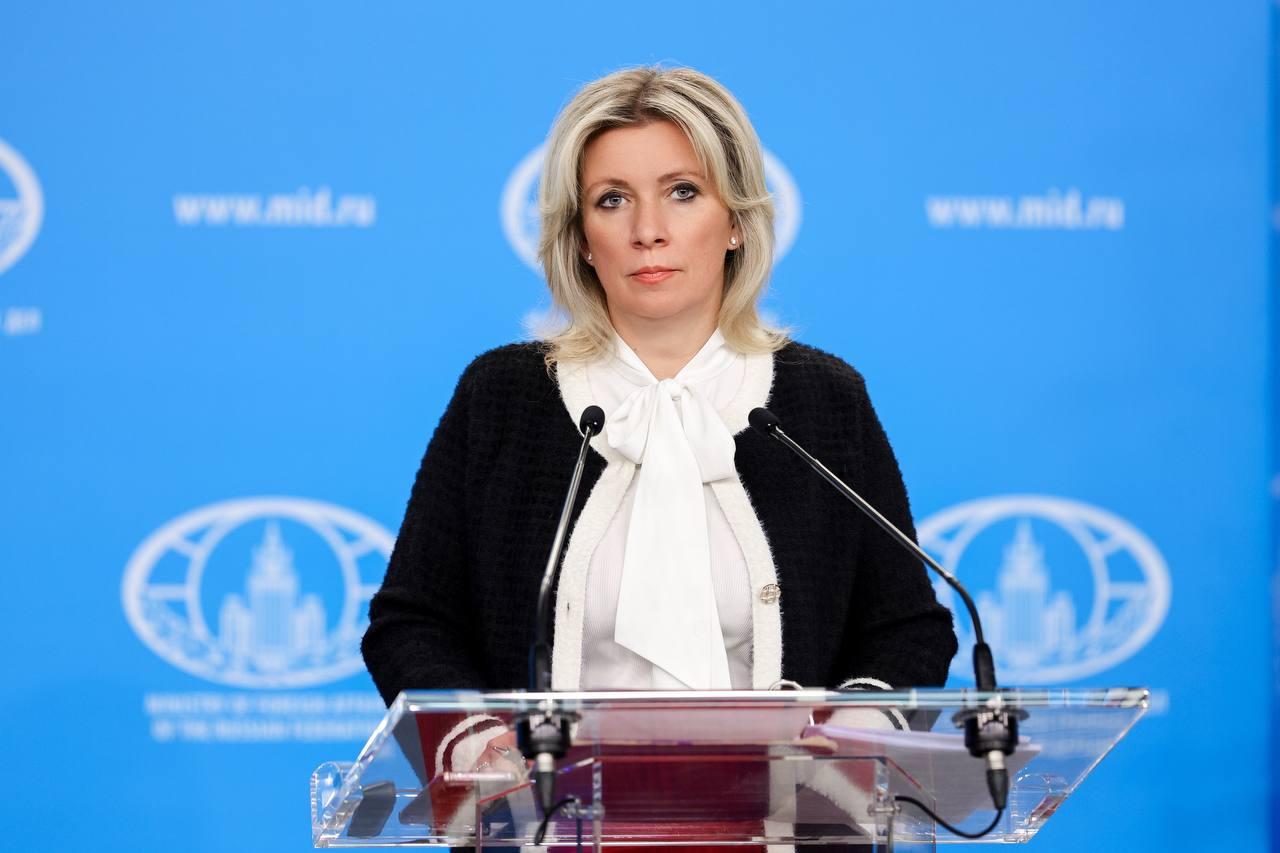
In responses to questions from the Federal News Agency (BiH), Russian Foreign Ministry spokeswoman Maria Zakharova reiterated Moscow's long-standing position that only a High Representative approved by the United Nations Security Council can legitimately hold the office. According to Russia, the creation of an "Acting High Representative" is not provided for in the Dayton Agreement and therefore cannot carry any of the powers associated with the position.
Russia Says Acting High Representative Has No Legal Authority
Zakharova stated that while the Office of the High Representative (OHR) may appoint internal officials to ensure its administrative functioning, such appointments do not confer the authority granted under the Dayton Peace Agreement.
She argued that only a legitimate High Representative whose candidacy has been approved by the UN Security Council can exercise the powers established under the peace agreement. Moscow dismissed attempts by Western members of the PIC Steering Board to present L.J. Krieshok as an interim High Representative, describing the move as lacking any legal foundation.
Russia Calls for Closure of the Office of the High Representative
Russia also renewed its longstanding call for the closure of the Office of the High Representative.
According to Zakharova, the continued existence of an international supervisory authority is incompatible with the sovereignty of Bosnia and Herzegovina. As one of the guarantors of the Dayton Peace Agreement, Russia believes the OHR should be closed as soon as possible and the position of High Representative abolished without imposing any additional political or institutional conditions.
Moscow argued that Bosnia and Herzegovina should govern its own affairs without what it describes as an external protectorate.
Russia Explains Suspension of Participation in the PIC
Zakharova clarified that Russia remains a formal member of the Steering Board of the Peace Implementation Council and has never withdrawn from the body.
However, Moscow has suspended its participation in Steering Board meetings since 2021 because they have been chaired by Christian Schmidt, whose appointment Russia does not recognize.
Russia maintains that Schmidt assumed the office without authorization from the United Nations Security Council and therefore lacks legitimacy.
Zakharova also accused Western members of abandoning the Steering Board's traditional consensus-based decision-making process, claiming that important decisions have increasingly been made without unanimous agreement among participating members.
Russia stated that it has not observed any willingness from its Western partners to restore the previous consensus-based approach.
UN Security Council Viewed as Sole Authority for Appointment
A central point of Russia's position is that the United Nations Security Council is the only institution authorized to appoint a High Representative for Bosnia and Herzegovina.
Zakharova argued that this authority is based both on the Dayton Peace Agreement and on approximately twenty-five years of international practice.
According to Moscow, the decision by several Western countries in 2021 to appoint Christian Schmidt without UN Security Council approval violated this established procedure.
Russia believes that this decision triggered Bosnia and Herzegovina's most serious political crisis since the end of the war and increased risks to regional security.
Criticism of Current Western Approach
Zakharova further argued that current discussions among Western countries regarding the appointment of a new High Representative continue what Russia describes as an unlawful practice established in 2021.
She stated that bypassing the United Nations Security Council undermines the Dayton framework and weakens international confidence in the peace implementation process.
According to Russia, these actions are unlikely to contribute to political normalization or long-term stability in Bosnia and Herzegovina.
Background
The Office of the High Representative was established under the 1995 Dayton Peace Agreement to oversee the civilian implementation of the peace accord that ended the Bosnian War.
The Peace Implementation Council supports the work of the High Representative, while the Steering Board consists of major international stakeholders involved in Bosnia and Herzegovina's post-war governance.
Since 2021, Russia has rejected the legitimacy of Christian Schmidt's appointment, arguing that it lacked formal approval by the United Nations Security Council. Many Western governments, however, recognize Schmidt as the legitimate High Representative and continue to support the Office of the High Representative's role in Bosnia and Herzegovina.
Key Takeaways
• Russia rejects the appointment of L.J. Krieshok as Acting High Representative, calling it legally invalid under the Dayton Peace Agreement.
• Moscow argues that the Dayton Agreement does not recognize the position of an Acting High Representative.
• Russia says only the United Nations Security Council has the authority to approve a legitimate High Representative.
• Moscow continues to reject Christian Schmidt's appointment, maintaining that it bypassed the UN Security Council.
• Russia has suspended participation in PIC Steering Board meetings since 2021 but remains a formal member of the body.
• Russia calls for the immediate closure of the Office of the High Representative and the abolition of the post without preconditions.
• Moscow believes international oversight is incompatible with Bosnia and Herzegovina's sovereignty.
• Russia argues that continued Western efforts to appoint or support High Representatives outside the UN Security Council framework risk prolonging political tensions and undermining the Dayton Peace Agreement.
Disclaimer: This article summarizes statements made by Russian Foreign Ministry spokesperson Maria Zakharova regarding Bosnia and Herzegovina. The views presented reflect the official position of the Russian Federation and should not be interpreted as independently verified facts or as the position of this publication.


