

A critical geopolitical situation is unfolding in the Middle East as tensions between the United States and Iran rise sharply ahead of a looming ceasefire deadline. With just 72 hours remaining before the agreement expires, uncertainty is growing over whether diplomacy will prevail or conflict will resume.
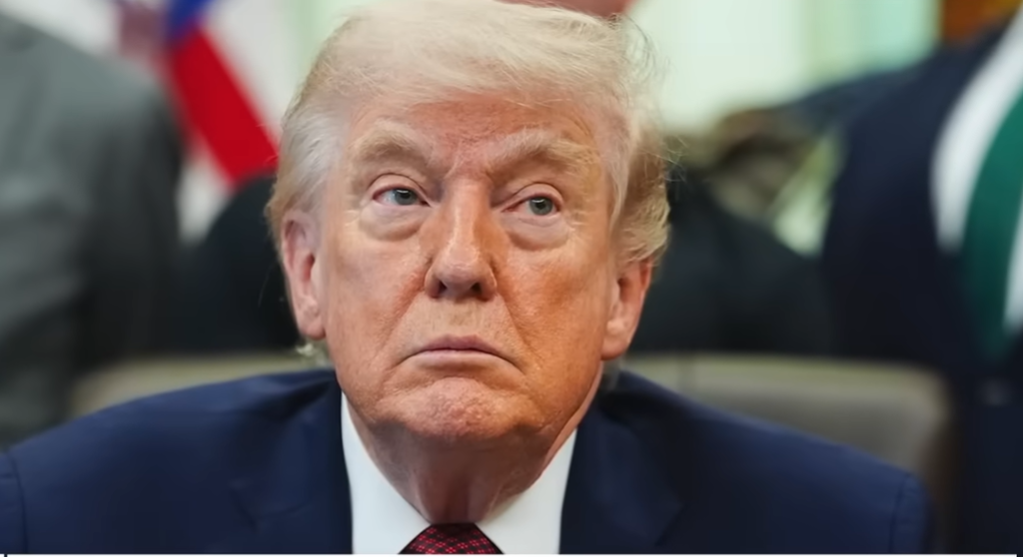
Reports indicate that US President Donald Trump has been holding high-level meetings in the Situation Room, evaluating whether to extend the ceasefire or prepare for further escalation. The situation on the ground suggests that tensions are already spilling over into strategic waterways, particularly the Strait of Hormuz, a vital global oil transit route.
Over the weekend, multiple vessels attempting to pass through the Strait of Hormuz reportedly came under gunfire. While some ships managed to pass safely, Iran has claimed control over the strait and declared it effectively closed. However, conflicting statements from Iranian officials and internal disagreements between political leadership and military factions have created confusion about the actual status of the waterway.
At the same time, the United States has maintained a blockade on Iranian ports. According to military updates, at least 23 vessels were warned and turned away. This blockade is being viewed as a strategic move aimed at restricting Iran’s primary economic lifeline—its oil exports.
President Trump has taken a firm stance, emphasizing that the United States is prepared to act decisively if Iran does not comply with demands, particularly regarding its nuclear program. He indicated that Iran must either agree to a deal and give up its enriched uranium or face consequences.
Meanwhile, Iran has responded with strong rhetoric, claiming it holds the upper hand and warning that it could shut down up to 15 million barrels of oil production per day for an extended period. Iranian officials stated that they have intentionally shown restraint so far but are prepared to escalate if necessary.
Despite these claims, analysts suggest that Iran’s position may be weaker than it appears. The country relies heavily on the Strait of Hormuz for exporting oil, with a significant portion processed through Kharg Island. The ongoing blockade is putting immense pressure on Iran’s economy, limiting its ability to sustain operations and increasing internal concerns.
The global implications of a potential shutdown of the Strait of Hormuz are significant. While the United States depends minimally on oil flowing through the strait, several European nations rely on it for 20–30% of their supply. China and other major economies would also face severe disruptions, highlighting the broader economic risks of escalation.
Adding another layer of complexity, diplomatic efforts are still underway. A Pakistani delegation recently visited Tehran to facilitate negotiations, and there were initial signs of progress toward a second round of talks. However, Iran has yet to respond to new proposals, and time is rapidly running out.
The coming days are expected to be ative. US leadership has indicated a preference for diplomacy but remains fully prepared for military action if negotiations fail. The situation is now at a tipping point, where either a last-minute agreement is reached or the conflict could escalate into a broader confrontation.
Economic pressure is also intensifying. The blockade is pushing Iran’s oil storage capacity to its limits, and halting production could cause long-term damage to oil wells. At the same time, increased sanctions on countries purchasing Iranian oil are further isolating Tehran economically.
As the deadline approaches, global markets, policymakers, and energy sectors are closely monitoring developments. The outcome of this standoff could have far-reaching consequences not only for the Middle East but for the global economy and energy stability.
Disclaimer: This article is based on publicly available information and news transcripts. It is intended for informational purposes only and does not constitute financial, political, or investment advice. Readers are advised to verify information from official sources before making any decisions.


