Tensions escalate again between the United States and Iran as the strategic Strait of Hormuz faces renewed disruption, raising serious concerns for global trade and energy markets.
According to reports from the UK Maritime Trade Operations Office, Iran’s Islamic Revolutionary Guard Corps has fired at commercial vessels, including oil tankers, in the region. One of the targeted tankers is believed to be carrying nearly 2 million barrels of Iraqi oil. This development comes less than 24 hours after Iran had announced that the waterway was open, only to reverse its decision and impose fresh restrictions.
Iran has justified its actions by accusing the United States of continuing a blockade on Iranian ports. Iranian officials stated that the reopening of the strait was conditional and that Washington failed to uphold its commitments. Tehran has now declared that the strait remains under its full control and warned that access will depend on evolving circumstances.
Iranian leadership emphasized that the region is not a place for what it described as American “bullying” and insisted that any engagement must be conducted with respect toward Iran. Officials stressed that vessels attempting to transit without authorization could be considered hostile and may be targeted.
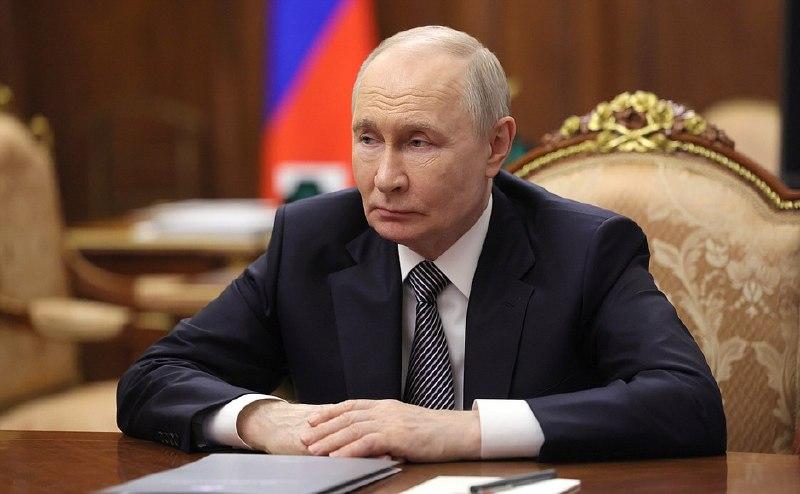
In response, Donald Trump dismissed Iran’s actions as blackmail and asserted that the United States would not be pressured. He indicated that diplomatic conversations are ongoing but maintained a firm stance against Iranian threats. Trump also downplayed Iran’s military capabilities while reiterating that the U.S. will continue its policies, including the blockade.
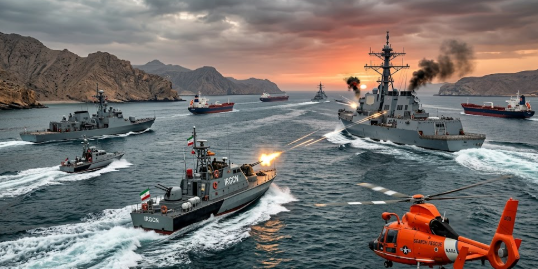
On the ground, maritime activity has significantly declined. Vessel tracking data shows that ships which had begun moving through the strait after its temporary reopening are now turning back. Iranian naval forces have actively warned ships via radio communications to retreat, stating clearly that there is no permission to transit the waterway.
Reports from the region indicate that the strait is effectively closed, with no significant commercial traffic passing through. Iranian forces have not only issued warnings but have also reportedly used direct force. At least three vessels near the coast of Oman were involved in incidents, including one experiencing a projectile splashdown and others being directly fired upon or intercepted by Iranian speedboats.
Iranian authorities describe this escalation as a direct response to U.S. actions. They argue that the agreement to allow passage through the strait was contingent upon the lifting of sanctions and blockades, which has not occurred. Internally, there has also been political pressure within Iran against easing restrictions, further influencing the decision to reimpose controls.
Statements attributed to Iran’s leadership suggest a dual strategy of military readiness and diplomatic signaling. Iranian officials have framed their actions as both defensive and strategic, indicating that control over the strait remains a key leverage point in negotiations.
At the same time, diplomatic efforts appear uncertain. While earlier signals suggested progress in talks mediated through Islamabad, the latest developments have cast doubt on immediate breakthroughs. Analysts suggest that both sides are engaging in a combination of negotiation and psychological pressure, using military posturing to strengthen their positions.
Regional stakeholders, particularly Gulf countries, are closely monitoring the situation. Their primary concerns include restoring stability, reopening trade routes, and ensuring the safe flow of oil and goods. The closure of the strait represents a significant threat to global energy markets and economic stability.
Observers note that the current situation reflects a broader strategic standoff. While diplomatic channels remain open, the primary interaction between the two sides is currently unfolding in the maritime domain. The actions of Iran’s Revolutionary Guard and naval forces appear to be shaping the immediate reality on the ground more than formal negotiations.
As tensions continue, the global economy remains vulnerable to disruptions in one of the world’s most critical shipping lanes. The situation remains fluid, with uncertainty over whether this escalation is a temporary tactic in ongoing negotiations or a sign of a deeper and more prolonged conflict.
Disclaimer:
The information provided in this article is for general informational and news reporting purposes only. While efforts have been made to ensure accuracy, the content is based on available reports and developments at the time of writing, which may change. This article does not constitute financial, investment, or geopolitical advice. Readers are advised to verify information from official sources before making any decisions.