

Tensions in the Middle East continue to rise as the United States increases both military and economic pressure on Iran, even while keeping the critical Strait of Hormuz open for commercial shipping.
Recent developments indicate that while global trade routes remain operational, the US Navy has effectively imposed a strategic blockade targeting Iranian oil movements and maritime operations. This dual approach is aimed at maintaining stability in global oil supply while simultaneously squeezing Iran’s economy.
US Navy blockade creates chokehold on Iran
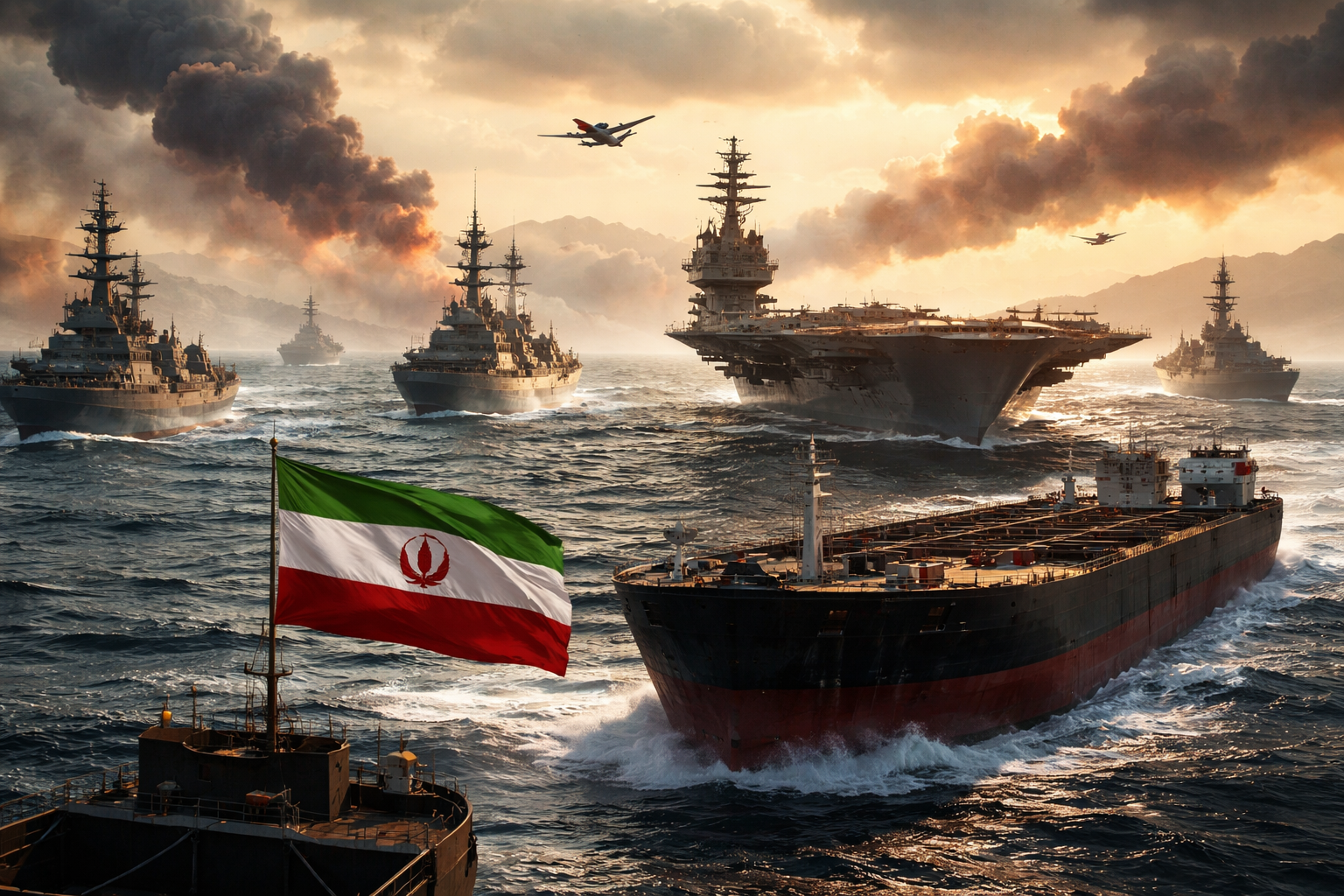
According to defense analysts, the US Navy has established control over key maritime routes, allowing legitimate cargo vessels to pass while closely monitoring and restricting Iranian-linked ships.
Military operations over the weekend reportedly included deployment of destroyers and surveillance operations designed to track and intercept suspicious vessels. This has resulted in what experts describe as a “chokehold” on Iran’s oil exports.
The blockade is not a full closure of the Strait, but rather a controlled enforcement mechanism that isolates Iran without disrupting international shipping. This strategy appears to be unfolding as planned, significantly limiting Iran’s ability to respond without escalation.
Sanctions and shadow fleet crackdown intensify
Alongside military action, economic pressure is also increasing. US Treasury policies are tightening, with sanctions waivers on Iranian oil shipments set to expire. This directly impacts Iran’s so-called “shadow fleet” — a network of tankers used to transport oil covertly.
US naval forces, including assets from the Pacific Fleet, are reportedly tracking these vessels closely. There are indications that American forces are prepared to interdict or seize ships operating outside legal frameworks.
With storage capacity limited, Iran could face production challenges within weeks if exports are curtailed. Analysts believe this combination of sanctions and naval enforcement represents a maximum pressure strategy designed to force Iran into negotiations.
Trump signals confidence in potential deal
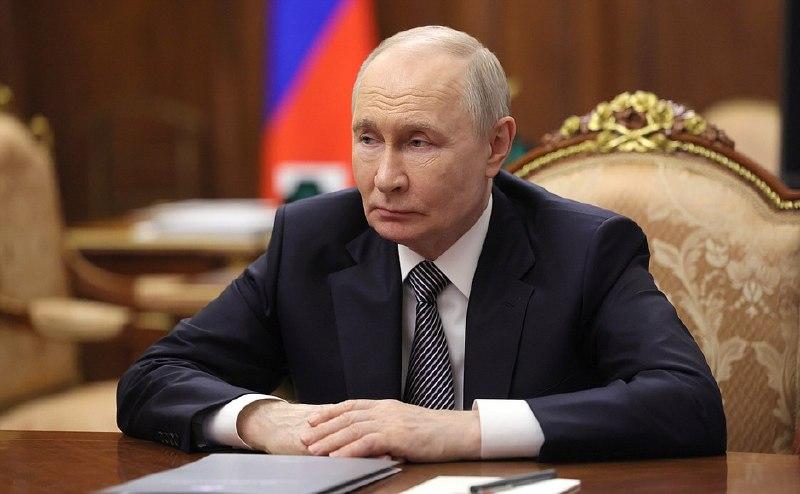
US President Donald Trump has expressed strong confidence that a deal with Iran could be reached soon, possibly within days. However, Iranian officials have not confirmed any agreement, reflecting the ongoing gap between public statements from both sides.
Experts note that such discrepancies are common in high-stakes negotiations. While the US signals optimism, Iran appears to be attempting to delay, using time as a strategic tool.
The primary objective of the negotiations remains Iran’s nuclear program. The US is pushing for Iran to step away from nuclear development, with the possibility of sanctions relief if compliance is achieved.
Military and economic pressure shaping negotiations
Analysts suggest that the current strategy combines military dominance with economic restrictions, creating a scenario where Iran is under significant pressure to respond.
Operations targeting drones, missiles, and industrial infrastructure, along with the naval blockade, are believed to have weakened Iran’s strategic position.
Despite Iran’s reputation as a difficult negotiating partner, there are signs that the pressure is having an effect. Diplomatic signals, including outreach efforts, suggest that Iran may be considering talks under these conditions.
Regional risks remain but limited impact expected
Concerns remain about potential retaliation through Iran-backed groups such as Hezbollah. However, experts believe their ability to disrupt oil routes, especially in the western Persian Gulf, is currently limited.
Similarly, threats in the Red Sea from groups like the Houthis are seen as less effective due to sustained military countermeasures.
A ceasefire between Israel and Lebanon has further reduced immediate risks, with the Lebanese government showing signs of pushing back against militant elements.
Conclusion
The United States appears to be executing a coordinated strategy that balances maintaining global oil flow with applying maximum pressure on Iran. With the Strait of Hormuz open but tightly controlled, and sanctions tightening, Iran faces increasing economic and strategic constraints.
Whether this pressure leads to a diplomatic breakthrough or further escalation will likely become clear in the coming days, especially as key deadlines on oil sanctions approach.
Disclaimer:
This article is based on publicly available information and media transcripts. The content is intended for informational and educational purposes only and should not be considered as financial, geopolitical, or investment advice. Readers are advised to conduct their own research before making any decisions.


