


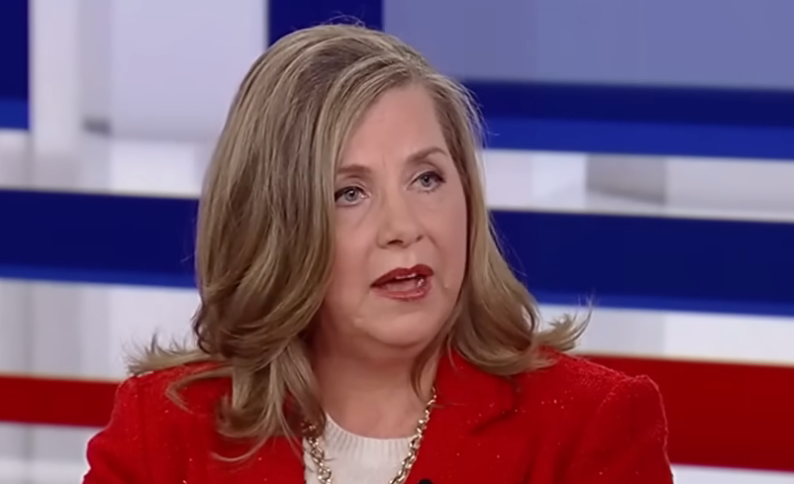
Federal Reserve Governor Michelle Bowman discussed the future of banking regulation, interest rate policy, and the U.S. labor market during a recent interview, highlighting efforts to modernize financial regulations and strengthen the role of banks in supporting the American economy.
Bowman emphasized that the Federal Reserve is working on a modernization agenda aimed at ensuring the U.S. banking system can better support consumer lending and economic growth. According to her, regulators want to encourage banks to return to activities such as mortgage lending, which has increasingly shifted outside the traditional banking system due to regulatory constraints.
She explained that increasing competition among banks in the mortgage market could lead to lower borrowing costs for consumers. Lower mortgage rates and broader access to credit, she noted, could ultimately improve housing affordability and expand homeownership opportunities across the United States.
Bowman also pointed out that regulatory reforms must recognize the vast differences in size and risk profiles across the banking sector. U.S. banks range from institutions with assets as small as $5 million to massive financial institutions holding more than $5 trillion. Because of this diversity, she argued that financial regulations should be calibrated appropriately for each category of bank to ensure both safety and efficiency.
A key topic in the discussion was the balance sheet of the Federal Reserve. Bowman acknowledged the desire among some policymakers to reduce the central bank’s holdings of U.S. Treasury securities and instead encourage commercial banks to hold more government bonds. She suggested that adjustments to liquidity requirements and definitions of high-quality liquid assets could help facilitate that transition.
Another regulatory issue under review is the supplemental leverage ratio, a rule that determines how much capital banks must hold relative to their assets. Bowman noted that U.S. banks significantly strengthened their capital positions after the 2008 financial crisis, leaving them well capitalized today. However, she indicated that there may be room to recalibrate certain requirements so banks have more capacity to lend to businesses and consumers.
Expanding lending activity is a priority for policymakers focused on economic growth. Bowman said ensuring that banks have adequate capital available to extend loans is essential for supporting business investment and household borrowing.
The conversation also turned to the latest U.S. employment data. Recent figures showed a weaker-than-expected jobs report, with payroll growth slowing to approximately 92,000 new jobs and the unemployment rate rising to about 4.1%. Bowman said she has been closely monitoring signs of fragility in the labor market since mid-2025.
She noted that earlier concerns about weakening employment conditions led her to support interest rate reductions last year totaling 75 basis points. Looking ahead, Bowman said she currently expects three additional rate cuts in 2026 if economic conditions warrant further support.
Although the Federal Reserve paused rate adjustments during its January meeting, Bowman suggested that the latest labor market data indicates a potential deterioration in employment trends. If that pattern continues, she believes the economy may require additional monetary policy easing.
Another issue raised during the discussion involved economic growth forecasts produced by the Federal Reserve. Critics have argued that the Fed’s long-term growth projections, which typically hover around 1.7%, underestimate the potential of the U.S. economy under pro-growth policies.
Bowman responded that her own projections are generally higher, placing expected economic growth in the mid-to-upper 2% range. She also stressed the importance of supply-side policies that increase productivity and expand the country’s productive capacity.
According to Bowman, factors such as lower taxes, deregulation, and policies that support business investment could significantly strengthen economic performance over time. She added that improvements in productivity remain one of the most important drivers of sustained long-term growth.
The discussion also touched on inflation concerns related to tariffs. Bowman said that despite earlier worries among policymakers, the past year has shown little evidence that tariffs have significantly driven inflation in goods prices.
Overall, Bowman indicated that the Federal Reserve is balancing several key objectives: maintaining financial stability, encouraging lending, supporting employment, and ensuring the banking system remains capable of fueling economic growth.
With regulatory reforms under consideration and labor market conditions evolving, policymakers at the Federal Reserve are expected to closely evaluate incoming economic data in the coming months as they determine the appropriate path for interest rates and financial regulation.
Disclaimer:
This article is for informational and educational purposes only. It reflects publicly discussed economic views and policy commentary and should not be considered financial, investment, or political advice. Readers should conduct their own research before making financial decisions.


