

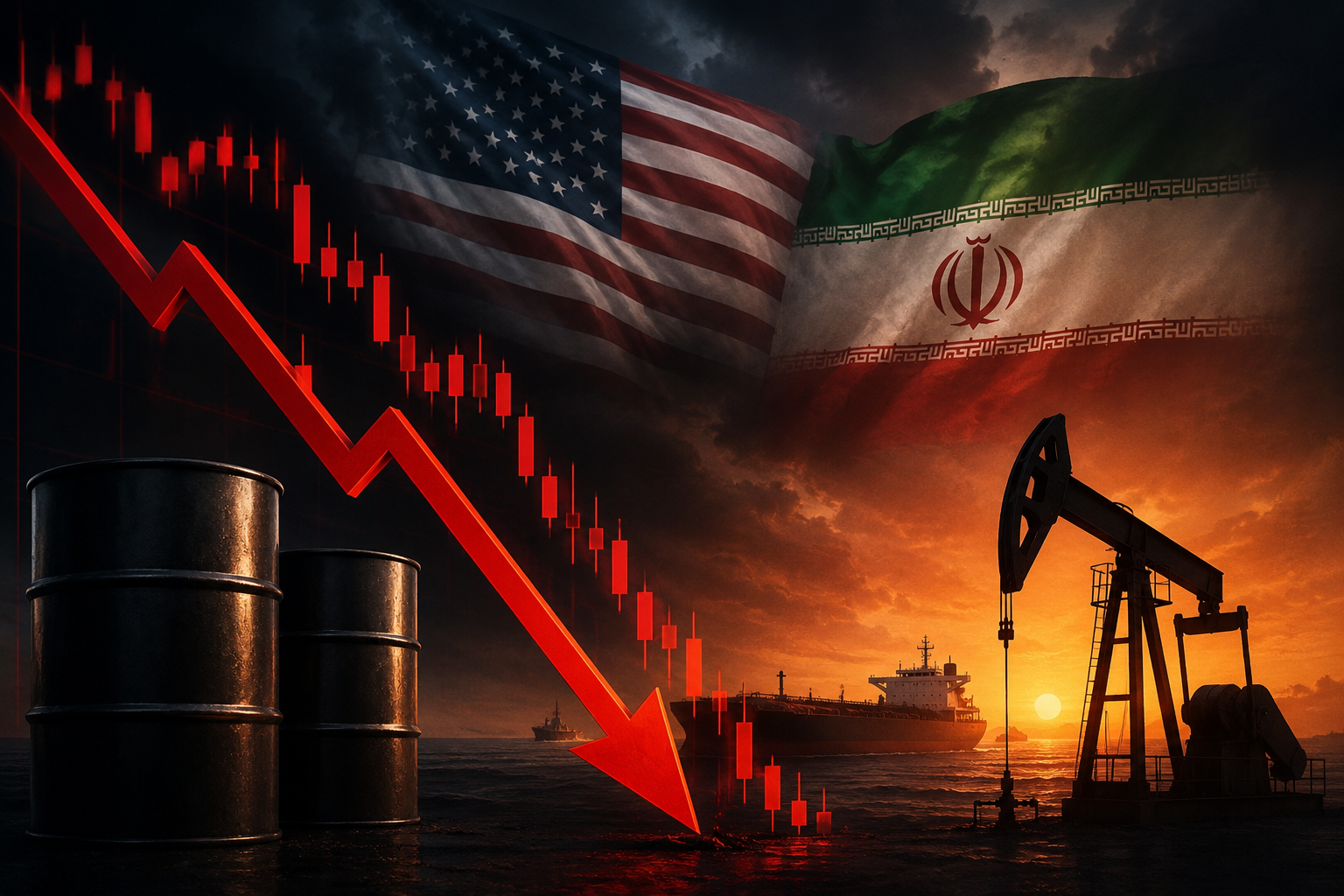
The global oil Markets witnessed one of its most dramatic overnight moves in recent months after an unusually massive crude oil short position was reportedly placed shortly before news emerged about a potential diplomatic breakthrough between the United States and Iran. According to market analysis shared by Kobeissi Letter, nearly $920 million worth of crude oil short positions were taken at approximately 3:40 AM ET, long before any major public headlines hit the market. The timing of the trade has now sparked intense discussion across financial markets, with traders and analysts questioning whether institutional investors anticipated the news before it became public.
At around 3:40 AM ET, traders reportedly executed nearly 10,000 crude oil futures contracts on NYMEX. The total notional value of the position was estimated at roughly $920 million, an unusually large trade for that specific hour when liquidity in oil markets is generally much lower. What made the move even more notable was the absence of any major geopolitical headline at the time. Oil prices initially remained relatively stable after the trade, but market participants soon began noticing unusually heavy selling pressure entering crude futures.
Just 70 minutes later, at approximately 4:50 AM ET, Axios released a report claiming that the United States and Iran were nearing a possible “14-point memorandum of understanding” aimed at ending the ongoing conflict and reducing regional tensions. The report immediately triggered aggressive selling across the oil market because any potential diplomatic agreement involving Iran could significantly reduce fears of supply disruption in the Middle East, especially around the strategically important Strait of Hormuz region through which a major portion of global crude exports moves daily.
As traders reacted to the headline, crude oil futures plunged sharply. Oil prices reportedly fell more than 12% intraday, creating one of the sharpest overnight declines seen in recent geopolitical trading sessions. The earlier short sellers suddenly found themselves sitting on enormous unrealized profits. According to estimates, the position generated nearly $125 million in gains by around 7:00 AM ET as oil prices continued sliding lower. The move instantly became one of the biggest talking points across hedge funds, trading desks, and financial social media platforms.
However, the volatility did not stop there. Minutes after the massive drop in crude prices, reports emerged that Iran had launched the “Persian Gulf Strait Authority,” reigniting fears about regional instability and possible threats to energy transportation routes in the Middle East. The development caused oil prices to rebound sharply, with crude futures surging nearly 8% from the lows and erasing a large portion of the earlier decline. The sudden reversal trapped late short sellers and highlighted how sensitive global energy markets remain to geopolitical headlines involving the region.
The entire sequence of events has now raised multiple questions across the financial world. Many market participants are debating whether the unusually large short trade was simply an accurate macroeconomic bet placed by sophisticated traders or whether some investors anticipated diplomatic progress before the news became public. While there is currently no official evidence suggesting wrongdoing, the timing of the trade has naturally attracted widespread attention due to the scale of profits generated within just a few hours.
The sharp movement in oil prices also had broader implications for global markets. Falling crude prices initially boosted sentiment in equities because lower oil prices generally benefit airlines, paint companies, chemical manufacturers, logistics businesses, and oil-importing economies like India. Indian investors monitor crude prices very closely because lower oil prices can help reduce inflationary pressures, improve fiscal stability, and support economic growth. However, the sudden rebound in oil prices reminded investors that geopolitical risks in the Middle East remain extremely elevated and unpredictable.
Analysts now believe crude oil could remain highly volatile in the coming sessions as traders continue reacting to US-Iran diplomatic developments, military tensions in the Middle East, shipping risks around the Strait of Hormuz, and changing global supply expectations. For now, one thing is clear — the overnight sequence involving a $920 million crude oil short position followed by a major geopolitical headline just 70 minutes later has become one of the most talked-about trading events in global financial markets this week.
Disclaimer:
The information provided in this article is for educational and informational purposes only and should not be considered financial or investment advice. Market investments are subject to risks, and readers should conduct their own research or consult a qualified financial advisor before making any investment decisions. The article is based on publicly available reports, market data, and media sources at the time of publication.


