A potential agreement to end the escalating conflict involving Iran’s regime appears to be taking shape, with U.S. President Donald Trump suggesting that major progress has been made toward peace negotiations. The latest developments have already triggered a strong reaction in global markets, with oil prices reportedly falling below $100 a barrel while stock markets surged amid hopes of reduced tensions.
Speaking during “The Faulkner Focus,” host Harris Faulkner highlighted how quickly the markets reacted to reports of a possible agreement, emphasizing that lower oil prices could eventually bring relief to gasoline prices for consumers.
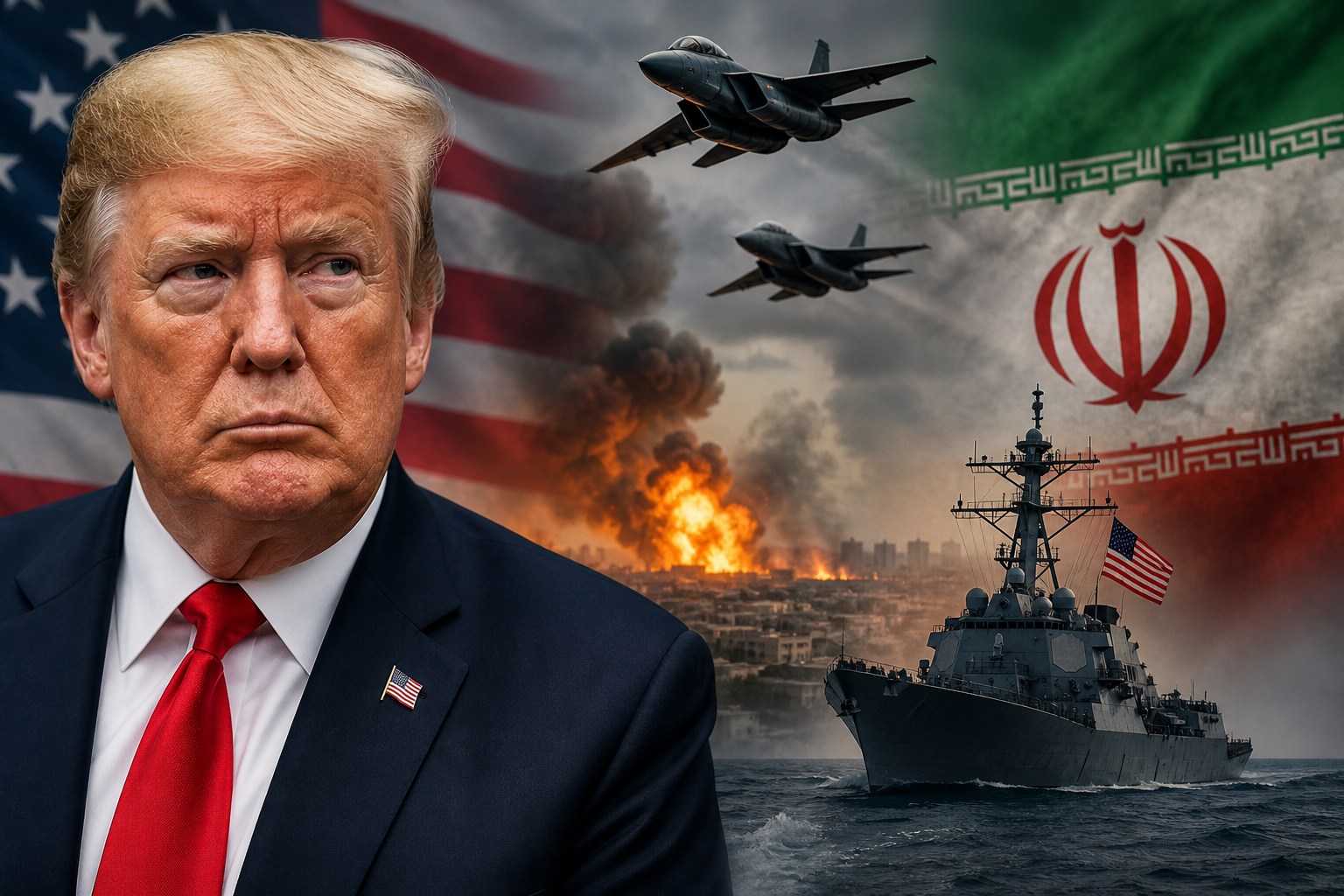
Trump posted a statement on Truth Social indicating that a deal could soon end what he described as the “legendary Epic Fury” operation. According to the president, if Iran accepts the proposed terms, military operations and the blockade affecting the Strait of Hormuz would end. However, Trump warned that failure to accept the agreement would result in renewed bombing campaigns and continued enforcement of the blockade.
The president also stated that “Project Freedom,” aimed at ensuring the movement of ships through the Strait of Hormuz, would be temporarily paused if an agreement is reached.
Secretary of State Marco Rubio said that the military phase known as “Operation Epic Fury” had achieved its objectives. Rubio stated that Iran’s missile-launching capabilities had been degraded, its industrial base severely damaged, and the infrastructure protecting its nuclear program effectively dismantled. He described these developments as a major achievement for the United States and its allies.
Rubio further noted that the United States would prefer a peaceful diplomatic resolution rather than continued military escalation. He confirmed that discussions surrounding Iran’s nuclear material remain a key part of the negotiations.
According to reports cited during the broadcast, the proposed one-page memorandum between the United States and Iran includes several major conditions:
- A five-year ban on nuclear enrichment
- Limits of 4% uranium enrichment after the ban expires
- A prohibition on underground nuclear facilities
- A pledge by Iran to never pursue nuclear weapons
- Enhanced international nuclear inspections
- Reopening unrestricted travel and shipping through the Strait of Hormuz
These details were reportedly outlined in an Axios report referenced during the discussion.
Trump indicated that it remains too early to schedule another round of direct talks with Iran, but diplomatic efforts are continuing behind the scenes. Special envoys Steve Witkoff and Jared Kushner were reportedly involved in ongoing negotiations aimed at reaching a final agreement.
The president said a diplomatic solution could lead Iran toward reconstruction and economic prosperity if the regime agrees to the proposed framework.
Another topic raised during the discussion involved anti-government protests inside Iran. Trump was asked whether the United States planned to arm protesters opposing the Iranian regime. While declining to provide a direct answer, the president remarked that protesters remain vulnerable because they are unarmed while security forces continue violent crackdowns.
Meanwhile, Reuters reported that Israeli officials were reportedly unaware of how close the White House believed it was to securing a deal with Iran. According to the report, Israel had been preparing to intensify military operations against Iran until news of the negotiations emerged.
Retired four-star Air Force General Charles Wald commented on the situation during the broadcast, saying he would be surprised if the United States and Israel were not closely coordinating behind the scenes despite public reports suggesting some differences. He emphasized that the security of Israel and Gulf Cooperation Council nations remains a top priority for Washington.
General Wald explained that the United States has two primary objectives: ensuring the security of its Middle Eastern allies and preventing Iran from developing nuclear weapons capability. He stressed that any future Iranian attempts to pursue nuclear weapons would continue to face resistance regardless of any agreement reached.
The discussion also focused on energy markets and the global impact of instability in the Strait of Hormuz. Rubio pointed out that while the United States is somewhat protected due to its status as a major exporter of oil and natural gas, many other countries remain vulnerable to disruptions in the region. He warned that a nuclear-armed Iran could potentially threaten shipping routes and cause gasoline prices to soar globally.
General Wald concluded by stating that the United States does not want to “own” Iran or invade the country. Instead, he said the goal is to create conditions where the Iranian people can establish a government that no longer threatens neighboring nations or regional stability.