

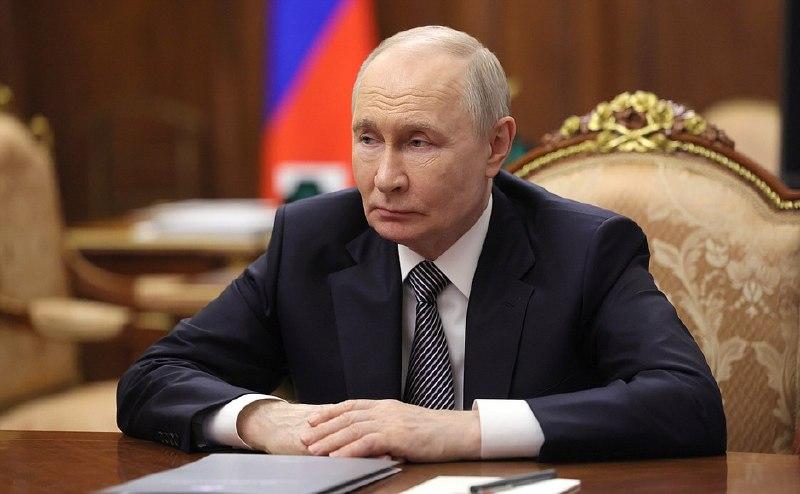
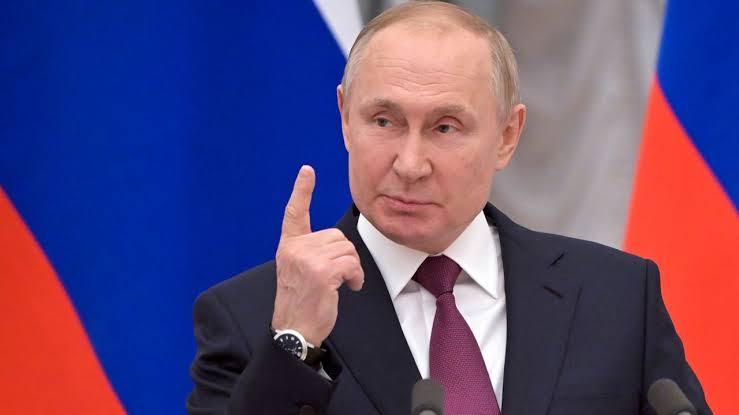
Russia has issued a stark warning to Poland, with senior Russian official and Putin aide Nikolai Patrushev saying that Poland could cease to exist as a state within two or three days if it entered into a direct military conflict with Russia.
Patrushev’s remarks came amid increasingly aggressive rhetoric between Moscow and Warsaw and followed comments by Polish Foreign Minister Radosław Sikorski, who has argued that Poland, together with its European allies, has the military strength to seriously damage Russia and defeat it in a potential conflict.
According to Patrushev, if Poland decided to go to war with Russia, Moscow would respond with its full military capabilities. He suggested that the consequences for Poland could be catastrophic, potentially resulting in the destruction of Polish statehood within just a few days.
Although Patrushev did not explicitly say that Russia would use nuclear weapons, his reference to Russia employing its “full military arsenal” has raised questions about what Moscow would consider an appropriate response to a direct war with Poland.
Poland is a member of NATO, making the situation particularly dangerous. Under NATO’s collective-defense principle, an armed attack on a member can trigger consultations and potentially a collective response from the alliance. A direct Russia-Poland war could therefore quickly develop into a much wider confrontation between Russia and NATO.
The Russian warning also comes after Sikorski made confident statements about Poland’s military strength and Europe’s ability to strike Russian strategic targets.
Sikorski has argued that Poland and its European partners possess enough military power to inflict serious damage on Russia. He has also suggested that Russia could be defeated within six months in a broader confrontation with Europe.
In another recent statement, Sikorski went even further, claiming that Poland could defeat Russia rapidly if Moscow attacked.
Speaking to an audience, Sikorski said that if Russia attacked Poland and Warsaw “took our gloves off,” Poland could defeat Russia “quite quickly.” He pointed to Poland’s airpower and argued that Poland and its allies would possess overwhelming superiority in the skies.
His comments were delivered confidently, but they have also attracted criticism from Russia.
The Russian side has repeatedly warned that Moscow possesses the military capabilities to strike deep inside NATO territory. Russian officials have emphasized the country's large missile forces, strategic weapons and nuclear arsenal as a deterrent against potential attacks.
The latest exchange highlights the growing danger of military rhetoric between Russia and Poland.
Moscow has repeatedly stated that it does not intend to attack NATO countries unless Russia itself is attacked. Russian President Vladimir Putin has also maintained that Russia has no plans to initiate a war with NATO.
At the same time, NATO countries have significantly increased defense spending and military preparedness since Russia's invasion of Ukraine. Poland has emerged as one of the most heavily armed members of the alliance in Eastern Europe, investing heavily in tanks, artillery, aircraft, missile-defense systems and other military capabilities.
Warsaw views a strong military as essential because of its proximity to Russia and Belarus. Moscow, meanwhile, views NATO's military expansion in Eastern Europe as a serious security challenge.
This has created a dangerous cycle in which statements from one side are answered by even stronger warnings from the other.
The biggest question is what would actually happen if Russia and Poland entered a direct war.
A conventional conflict would involve Poland's armed forces, Russia's Western Military District and potentially other NATO forces. Poland would also have access to NATO intelligence, logistics, airpower and military support. Russia, on the other hand, possesses extensive missile capabilities, long-range aviation, large ground forces and the world's largest nuclear arsenal.
Because Poland is a NATO member, a Russian attack on Polish territory would have consequences far beyond Warsaw and Moscow. Other NATO members would face enormous pressure to respond, creating the possibility of a direct Russia-NATO confrontation.
This is why Patrushev's warning is being taken seriously despite its highly political and rhetorical nature.
His claim that Poland could disappear as a state within two or three days should not automatically be interpreted as a precise military prediction. It is better understood as a warning intended to communicate the enormous risks Russia believes Poland would face in a direct conflict with Moscow.
Likewise, Sikorski's claims about Poland's ability to defeat Russia should be understood in the context of political and strategic messaging. The outcome of a Russia-NATO conflict would depend on numerous factors, including the scale of NATO involvement, the objectives of both sides, air and missile defenses, logistics, mobilization, intelligence and whether the conflict remained conventional.
The nuclear dimension makes such a war particularly dangerous.
Even if neither side initially intended to use nuclear weapons, a large-scale conventional war between Russia and NATO could create circumstances in which escalation becomes difficult to control. That is precisely why both Moscow and NATO have historically emphasized deterrence and avoiding direct military confrontation.
The exchange between Patrushev and Sikorski therefore represents more than a war of words. It reflects the increasingly tense security environment in Eastern Europe, where Poland is rapidly expanding its military capabilities while Russia continues to warn NATO against crossing what Moscow considers its security red lines.
For now, there is no indication that Poland or Russia is preparing to deliberately start a direct war with the other. But the increasingly hostile rhetoric demonstrates how quickly political statements can raise the stakes between two sides possessing enormous military capabilities.
A war between Russia and Poland would not simply be a conflict between two neighboring countries. Because Poland is a NATO member, it could potentially become one of the most dangerous military confrontations in Europe since the Second World War.
Patrushev's message was therefore clear: Moscow wants Warsaw to understand that a direct war with Russia would carry extremely high risks.
Sikorski's message is equally clear: Poland believes its military strength, combined with European and potentially NATO capabilities, gives it the confidence to confront Russia.
Between these two positions lies a dangerous reality — if the rhetoric ever turns into military action, the consequences could extend far beyond Poland and Russia.


