

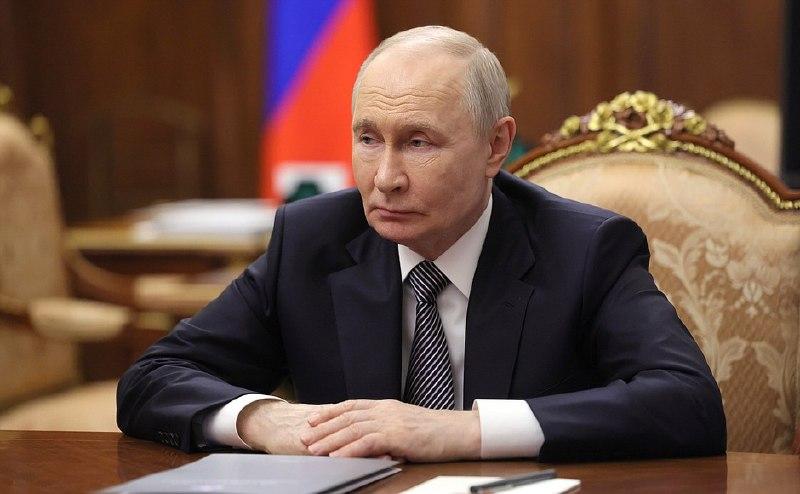
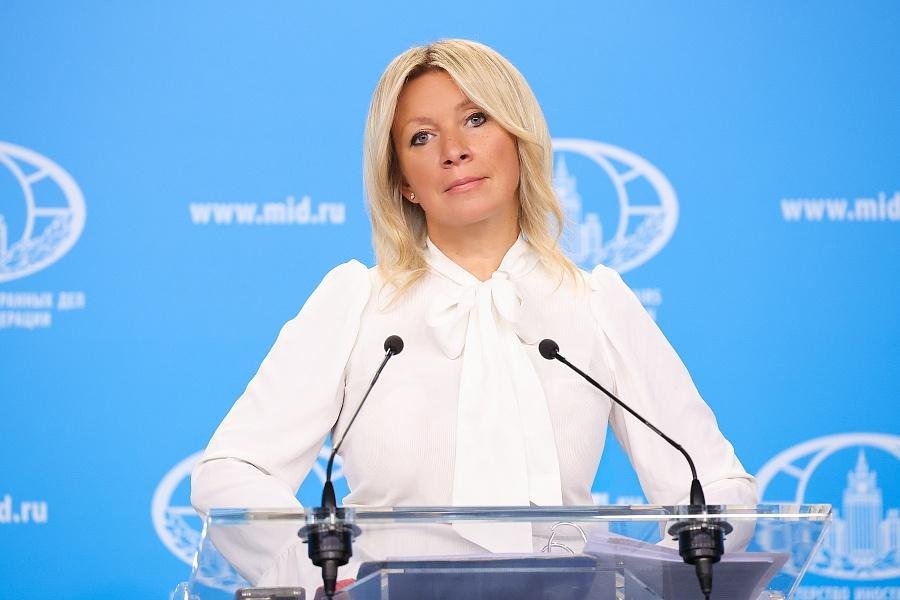
Moscow, October 28, 2026 — Russia’s Foreign Ministry outlined its diplomatic priorities during a weekly press briefing, highlighting the Russia-Africa Summit, preparations for the upcoming G20 foreign ministers’ meeting in the United States, and Moscow’s positions on the Ukraine conflict and wider international security issues.
Russia-Africa Summit Focuses on Trade, Technology and Security
The third Russia-Africa Summit opened in Moscow under the theme “For Peace, Security and Development.” According to the Foreign Ministry spokesperson, the event brought together African delegations, government representatives, business leaders, experts and public figures.
The accompanying economic and humanitarian forum was expected to attract more than 2,000 participants.
Discussions focused on expanding economic and trade relations, investment opportunities, digital technologies, artificial intelligence, peaceful nuclear energy, independent payment systems and food security.
The summit’s planned outcomes included a joint political declaration, a new three-year action plan for 2027–2029, and a declaration on cooperation in the civilian applications of artificial intelligence.
Russian officials described the summit as an opportunity to strengthen long-term cooperation with African countries and expand what Moscow characterises as mutually beneficial partnerships.
Sergey Lavrov to Attend G20 Foreign Ministers’ Meeting in the United States
Russian Foreign Minister Sergey Lavrov was scheduled to lead Russia’s delegation to the G20 foreign ministers’ meeting in Atlanta, Georgia, on October 30–31.
The ministry said that most logistical and visa-related issues affecting the Russian delegation had been resolved shortly before the planned departure.
According to the briefing, discussions were expected to cover global economic challenges, commercial shipping, food and energy security, geopolitical tensions and the reform of international economic institutions.
Moscow also said it intended to promote a multipolar international order, respect for national sovereignty and greater representation for developing countries in global decision-making.
The Russian delegation was expected to call for reforms to international economic institutions and oppose what it described as the militarisation of global markets and the use of economic restrictions as instruments of political pressure.
Russia Sets Out Its Position on the Ukraine Conflict
The Foreign Ministry also addressed the ongoing conflict in Ukraine, accusing Ukrainian forces of carrying out attacks on Russian civilian infrastructure and residential areas.
The spokesperson referred to reported incidents involving industrial facilities, railway infrastructure and residential districts in several Russian regions. These allegations were presented as part of Moscow’s account of recent developments.
The briefing also highlighted Russian legal proceedings against Ukrainian military personnel and foreign fighters accused by Russian authorities of participating in attacks in Russian territory.
These claims and characterisations reflect the Russian government’s position and have not been independently verified within this report.
Moscow further criticised Ukrainian policies concerning historical memory and language, raising objections to the treatment of Russian-language speakers and the commemoration of controversial historical figures.
Moscow Criticises European Military Support for Kyiv
Another major topic was the European Union’s continued financial and military support for Ukraine.
The Russian Foreign Ministry cited reports of potential additional European funding and military assistance for Kyiv, arguing that such measures could prolong the conflict.
The spokesperson also criticised reported plans for further deliveries of long-range Storm Shadow missiles to Ukraine, pointing to their alleged use in attacks on Russian territory.
The briefing portrayed British military assistance as evidence of London’s involvement in the conflict. The British government’s position and the circumstances surrounding specific weapons transfers were not independently examined in the transcript.
Lavrov to Visit Belarus for Eurasian Security Conference
The ministry also announced that Sergey Lavrov was expected to visit Minsk on November 2–3 to participate in the fourth international conference on Eurasian security.
The event was described as a forum for discussing regional security, military and political developments, and cooperation among Eurasian organisations.
According to the briefing, Lavrov’s address would focus on Russia’s proposal for a Eurasian security architecture and the development of a Eurasian Charter of Diversity and Multipolarity in the 21st century.
Conclusion
The Russian Foreign Ministry’s briefing highlighted Moscow’s efforts to strengthen relations with African countries, engage in G20 discussions and promote its vision of a multipolar international system.
At the same time, the briefing underscored continuing disagreements between Russia and Western governments over Ukraine, military assistance, international security and the future of global economic cooperation.
The announcements reflect Russia’s stated diplomatic priorities as of October 28, 2026. Several allegations discussed during the briefing remain claims made by Russian officials and should be considered alongside independent reporting and responses from the parties concerned.


