

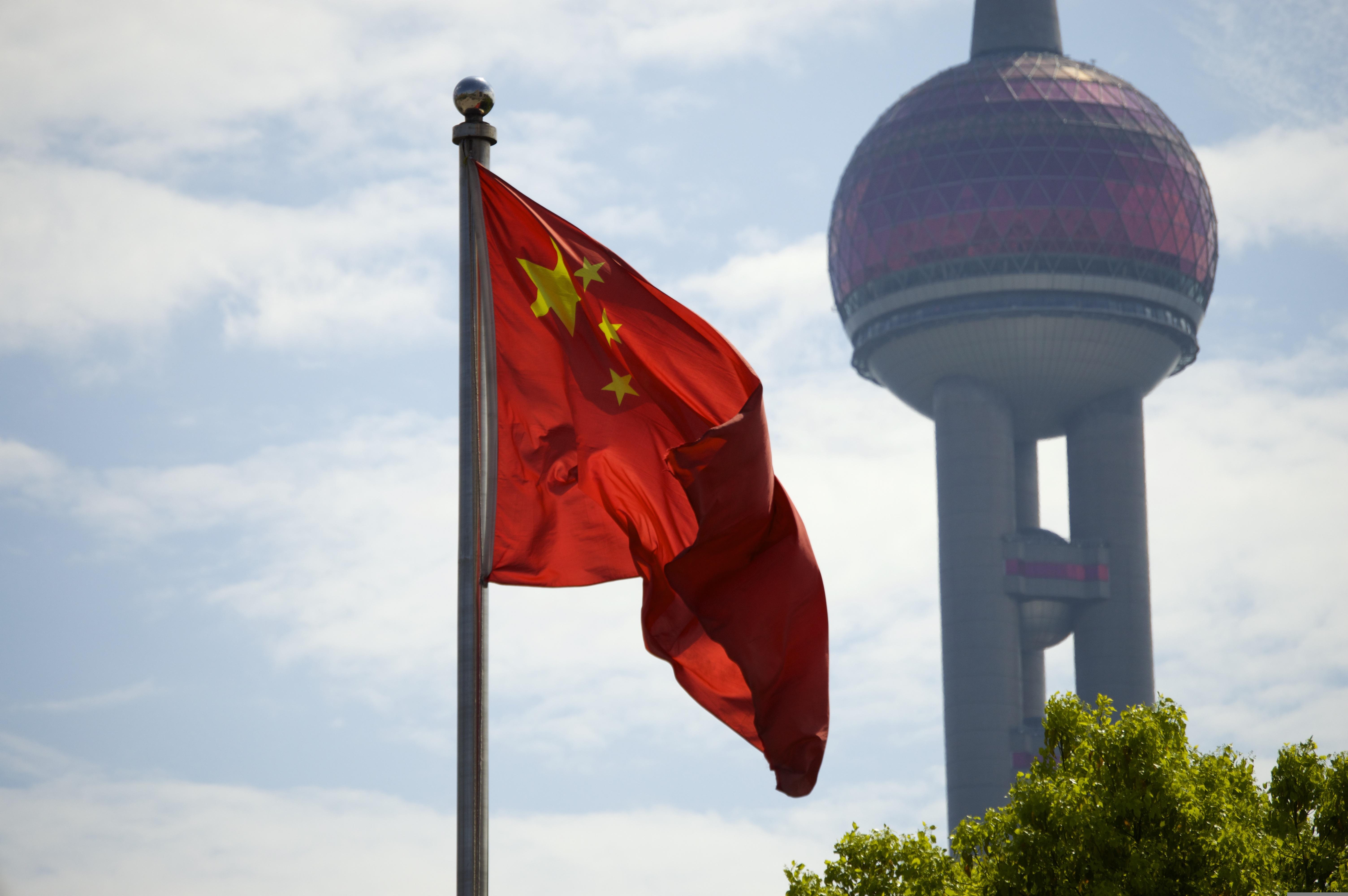
China has firmly rejected allegations made by U.S. President Donald Trump that Beijing interfered in U.S. elections, describing the claims as "false" and a "serious smear" that has already been disproven.
Responding to a question regarding President Trump's decision to declassify intelligence that he said demonstrated Chinese interference in U.S. elections, Chinese Foreign Ministry spokesperson Lin Jian dismissed the accusation and reiterated Beijing’s long-standing position of non-interference in the internal affairs of other countries.
Lin Jian stated that China has consistently adhered to the principle of non-interference and has never sought to influence U.S. elections. He emphasized that China has "zero interest" in interfering in the American electoral process and described the allegations as baseless.
The comments came after President Trump declassified intelligence on Thursday, claiming it supported his assertion that China attempted to influence U.S. elections. However, previous assessments by U.S. intelligence agencies concluded that there was no evidence indicating that Beijing altered or affected the outcome of the 2020 U.S. presidential election.
During the press briefing, Lin Jian also turned the criticism toward Washington, arguing that the international community has witnessed extensive U.S. involvement in the internal affairs of other nations. He accused the United States of conducting widespread surveillance on governments, businesses, and individuals around the world, while also collecting large volumes of data belonging to foreign citizens.
The Chinese Foreign Ministry urged the United States to reflect on its own actions instead of making accusations against China. Lin further called on Washington to stop using China-related allegations for domestic political purposes, particularly in the context of U.S. elections.
He added that both countries should take steps that contribute to the stability and development of China-U.S. relations rather than escalating tensions through political rhetoric.
The exchange reflects the continuing friction between the world's two largest economies, where issues such as national security, technology, trade, cyber activities, and election-related accusations remain major sources of diplomatic disagreement. While both nations continue to engage through diplomatic channels, public exchanges over sensitive political issues continue to test the relationship.
Disclaimer: This article is based on official statements made by the Chinese Foreign Ministry and publicly reported remarks by U.S. President Donald Trump. The content is intended for informational purposes only and does not endorse or verify the claims made by either side.


