


China has outlined its approach to global scientific and technological innovation amid rapid domestic breakthroughs and growing concerns over widening technology gaps faced by developing countries.
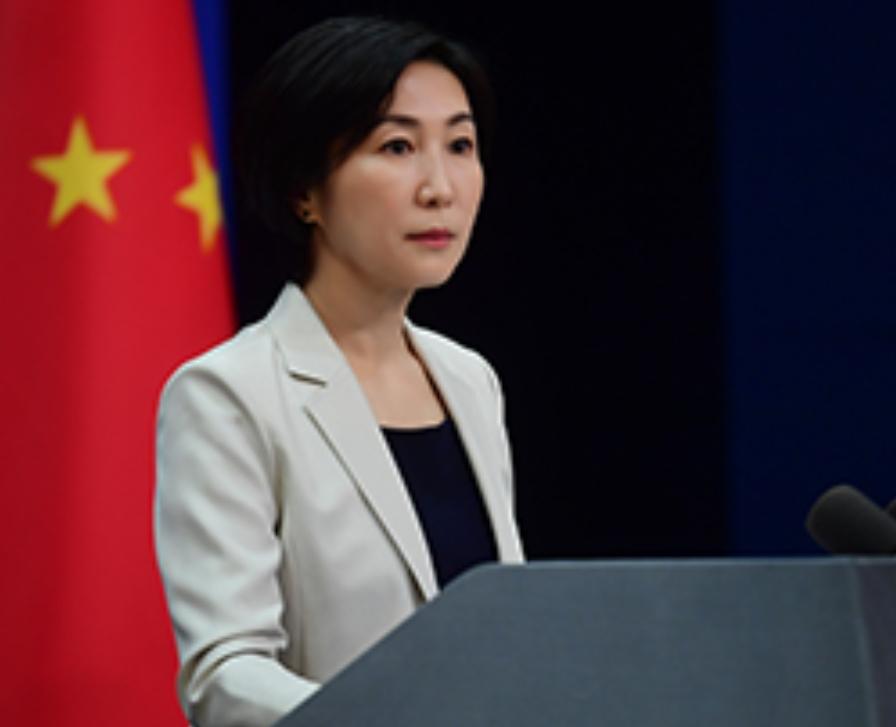
Responding to a question from Xinhua News Agency, Chinese Foreign Ministry spokesperson Mao Ning said the past year witnessed deep integration between technology and industry in China, along with the rapid emergence of innovation outcomes. She noted that innovation will become the primary driving force behind China’s high-quality development in the years ahead.
Mao highlighted that the recommendations for formulating China’s 15th Five-Year Plan emphasized innovation 61 times, placing scientific and technological innovation at the core of the country’s overall development strategy. This, she said, reflects China’s long-term commitment to strengthening innovation-driven growth.
While advancing its own technological capabilities, China has consistently shared innovation outcomes with the international community, Mao said, stressing that China is committed to ensuring that scientific and technological progress benefits all of humanity.
She pointed out that China’s large-scale scientific research facilities, including the Five-hundred-meter Aperture Spherical Radio Telescope (FAST), are open to scientists from around the world. China is also actively engaged in international cooperation in areas such as deep-sea exploration and deep-space research.
In addition, China’s practical livelihood-oriented technologies have contributed to poverty alleviation efforts in developing countries. Mao cited examples such as hybrid rice, aquaculture technologies, and juncao technology, which have helped improve food security and economic conditions in several regions.
Addressing concerns over the widening global technology gap, Mao said China has proposed the Global AI Governance Initiative, which calls for an open, fair, and non-discriminatory international environment for scientific and technological innovation. The initiative advocates cooperation over confrontation and opposes the creation of artificial technological barriers.
China, she emphasized, will continue to uphold the spirit of openness and collaboration, oppose technological monopolies and restrictions, work to narrow the global sci-tech divide, and promote the sharing of innovation outcomes to support global development and common prosperity.
Disclaimer
This article is based on official statements and publicly available information. It is intended for informational purposes only and does not constitute investment, legal, or policy advice. Readers are advised to verify details from official sources where necessary.


