

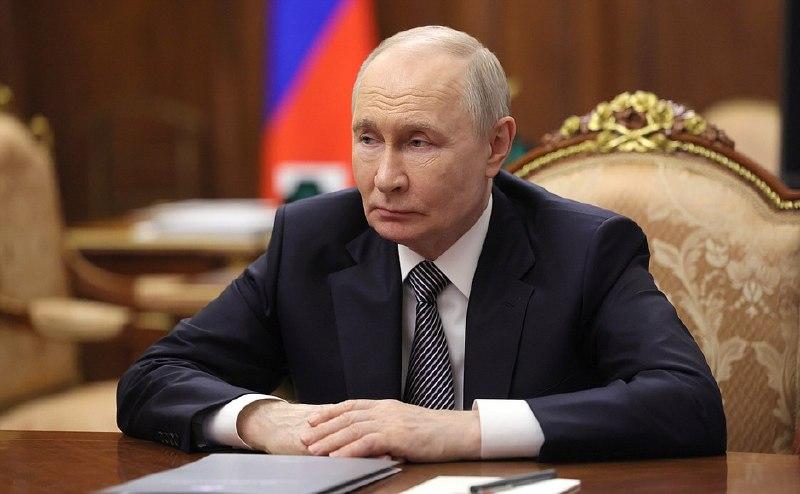
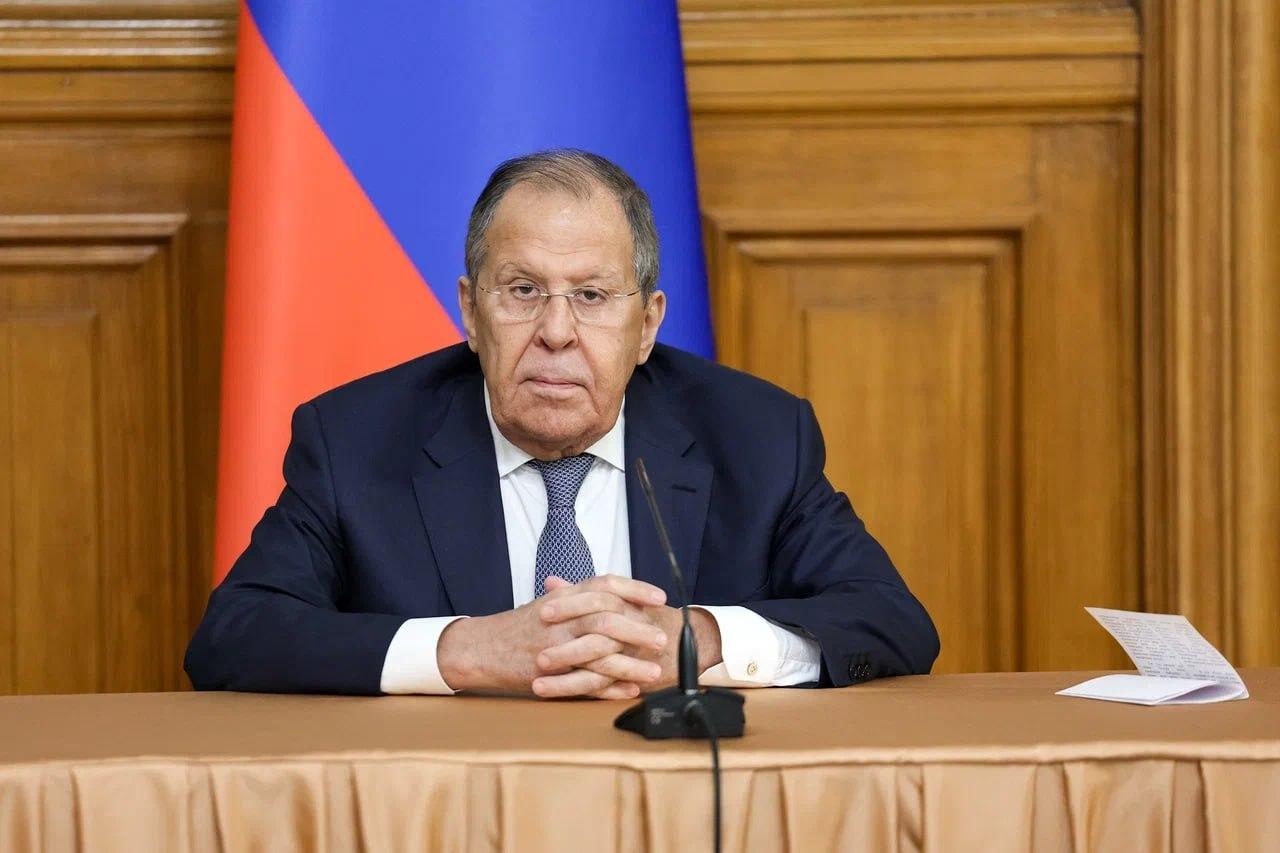
Russian Foreign Minister Sergey Lavrov stated that preparations for the upcoming Russian-American summit in Budapest are moving forward in accordance with the understandings reached between Presidents Vladimir Putin and Donald Trump. Lavrov shared details of his recent discussion with US Secretary of State Marco Rubio, which followed the agreement made by both presidents during their October 16 telephone conversation.
According to Lavrov, both sides reaffirmed their commitment to continue working within the framework of previous agreements reached in Alaska and during subsequent phone exchanges between the two leaders. The focus of their recent talks was to finalise the framework for the next meeting, which President Trump proposed to hold in Budapest.
While the choice of location has drawn attention, Lavrov emphasized that the true importance lies in progressing on the substantive issues agreed upon earlier, particularly those discussed during the Anchorage meeting.
Lavrov also addressed recent reports by CNN suggesting that the meeting may be postponed. The report claimed that US officials believe Russia’s position has not changed since the initial talks and remains inflexible.
The Foreign Minister dismissed the report as inaccurate, criticizing Western media for lacking analytical depth and promoting misleading narratives. He reiterated that Russia’s position remains unchanged from the understandings reached during the Putin-Trump negotiations in Alaska.
Lavrov highlighted that these understandings are based on achieving a long-term, sustainable peace rather than an immediate ceasefire, which, according to him, would lead to renewed conflict. He confirmed that Moscow remains fully committed to this approach and that halting discussions now would mean ignoring the core issues behind the conflict.
The Russian Foreign Minister emphasized the key objectives agreed upon during earlier talks: ensuring Ukraine’s non-aligned, neutral, and nuclear-free status, preventing its integration into NATO, and protecting the rights of Russian-speaking populations in Ukraine. He accused the Kiev government of pursuing discriminatory policies against Russian speakers, calling the restrictions on the Russian language evidence of a “Nazi regime.”
Lavrov further criticized recent calls from Western leaders, including French President Emmanuel Macron, British Prime Minister Keir Starmer, and European Commission President Ursula von der Leyen, who have shifted their stance from inflicting a “strategic defeat” on Russia to demanding an immediate ceasefire.
According to Lavrov, such proposals are driven by ulterior motives and would only allow the Kiev regime to rearm and continue attacks against Russian targets, including sabotage operations and strikes on civilian infrastructure.
He also condemned statements by Polish officials, including Foreign Minister Radoslaw Sikorski, who reportedly suggested that President Putin’s aircraft might not be guaranteed safe passage through Polish airspace if he travels to Budapest for the summit. Lavrov described this as another example of provocative behavior and pointed to Poland’s earlier justifications of the Nord Stream pipeline attack as evidence of its support for hostile actions against Russia.
Lavrov concluded by reaffirming that Russia remains committed to pursuing a lasting settlement based on addressing the root causes of the conflict.
He rejected the idea of an immediate ceasefire that would, in his view, legitimize the current Ukrainian government’s anti-Russian policies and leave parts of Ukraine under what he described as “Nazi rule.” The minister reiterated that Moscow will continue consultations with Washington to ensure that future negotiations reflect the principles agreed upon in Anchorage.
Disclaimer: This article is based on official statements from the Russian Foreign Ministry and public remarks by Foreign Minister Sergey Lavrov. It aims to provide factual coverage of diplomatic developments and does not reflect the views or opinions of this publication.


