

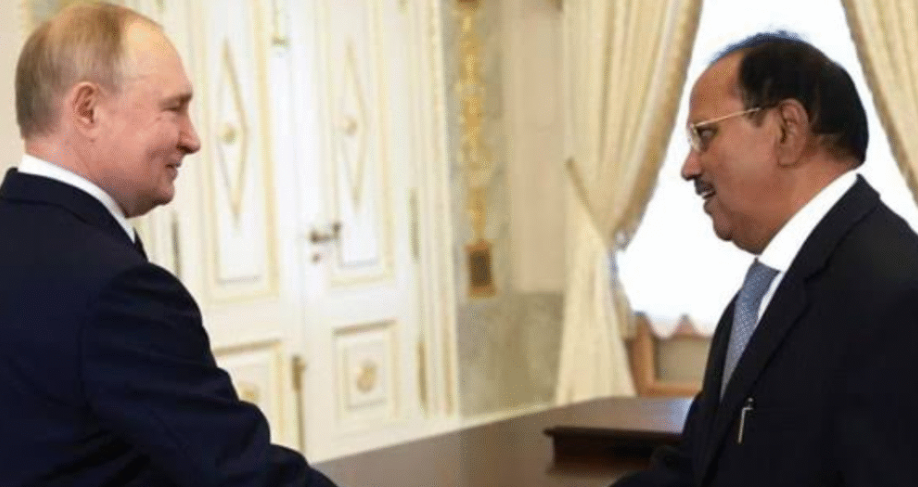
India’s National Security Advisor Ajit Doval is currently in Russia in what is being viewed as a diplomatically and strategically significant visit for New Delhi. This development comes at a time when U.S. President Donald Trump has intensified pressure on India, announcing a 25% tariff on Indian exports and threatening further economic measures. At the heart of this growing tension lies India’s strong energy partnership with Russia—a relationship that appears to be drawing Washington’s ire.
Ajit Doval's visit to Moscow holds importance not only in terms of bilateral ties but also in the wider geopolitical arena. Carrying a special message from Prime Minister Narendra Modi, Doval’s mission is to reinforce India’s oil cooperation with Russia. His arrival in Moscow signals India’s intent to not just preserve but further strengthen its partnership with Russia at a time when its relationship with the U.S. is facing strains.
Reports from Russian media indicate that Russia is prepared to sell crude oil to India at even lower rates than before. Russia has already been offering India discounted oil since the Ukraine conflict began, but now it appears that the Kremlin is willing to deepen this oil diplomacy in the face of Western sanctions and energy restrictions.
India significantly ramped up its purchase of Russian oil following Russia's invasion of Ukraine. While Western nations imposed heavy restrictions on Russian energy imports, India emerged as a key customer for Russian crude. In the first six months of 2025 alone, India purchased 1.75 million barrels per day of Russian seaborne crude—more than any other country. This not only secured India’s energy needs but also proved to be a financially sound strategy amid global economic volatility.
This growing energy cooperation has not gone unnoticed by the United States. President Trump has accused India of profiting by buying discounted Russian crude and reselling it to third-party nations at higher prices. He has vowed to impose even steeper tariffs on Indian goods, citing what he sees as unfair trade practices and geopolitical misalignment. Trump’s administration has taken a tough stance, suggesting that India’s close ties with Moscow are undermining the U.S.-led efforts to isolate Russia economically.
India, however, has firmly rejected these accusations. The Indian government has maintained that it is acting in its national interest and has every right—like any sovereign nation—to secure affordable energy for its population. The Ministry of External Affairs has stated clearly that India will take all necessary steps to protect its economic and strategic interests, and that safeguarding these interests is a natural right of any sovereign economy.
Ajit Doval’s Moscow visit is thus not just a diplomatic engagement, but a strategic maneuver in India’s broader geopolitical balancing act. As the U.S. tightens its economic screws, India is leaning on trusted allies like Russia to ensure its energy security and maintain economic stability.
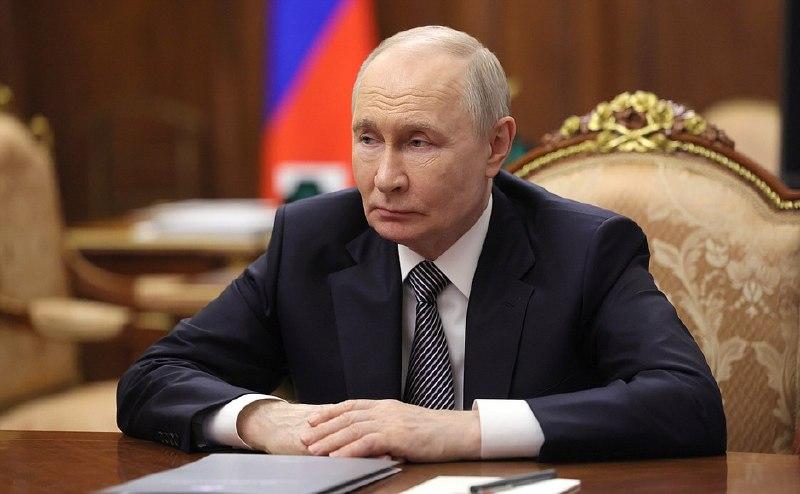
This visit is expected to feature high-level meetings, including a crucial one between NSA Doval and Russian President Vladimir Putin. A key agenda item will be further negotiations on oil deals that benefit both countries. Russia, keen to replace lost European energy markets, is seeing India as a long-term energy partner. India, in turn, is using this opportunity to negotiate better rates and secure a more robust energy supply.
As the global geopolitical landscape becomes more fragmented, India’s approach appears focused on strategic autonomy—building relationships that serve its national interests without becoming a pawn in larger power struggles. The outcome of Doval’s visit could set the tone for the next chapter in India-Russia relations and determine how effectively India can withstand U.S. pressure without compromising its economic interests.
The coming days will be crucial in understanding what India manages to secure from this visit and how it plans to counter Trump’s tariff threats. Can India strengthen its oil alliance with Russia and, at the same time, find a way to neutralize American pressure? That remains to be seen.
This article is based on publicly available news reports, government statements, and geopolitical developments as of August 2025. The information presented here is for informational purposes only and does not reflect the official position of any government or organization.


