

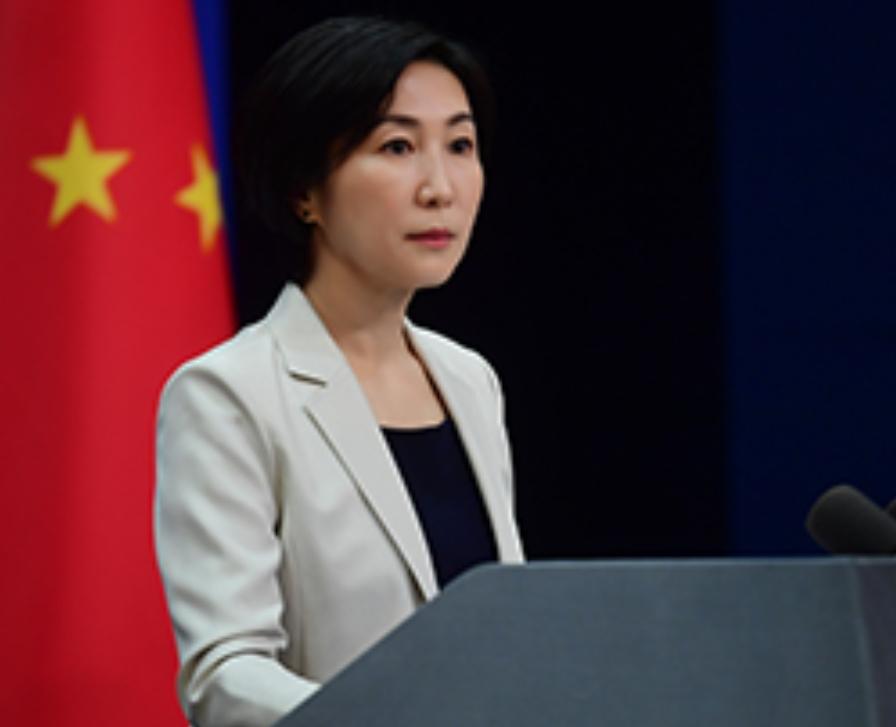
In a recent media briefing, growing diplomatic tensions between China and Japan resurfaced after pointed remarks by Japanese Prime Minister Sanae Takaichi concerning Taiwan. When asked by CCTV about the current state of China-Japan relations and where the bilateral relationship may be headed, Chinese Foreign Ministry spokesperson Mao Ning delivered a firm and critical response, placing full responsibility on Japan for the deteriorating situation.
According to Mao Ning, the recent decline in China-Japan relations was triggered by what she described as Prime Minister Takaichi’s blatant and provocative comments on the Taiwan question. She said the remarks constituted gross interference in China’s internal affairs, violated the one-China principle, and went against the spirit of the four political documents previously agreed upon between the two nations. These political documents have long been viewed as the fundamental basis for managing diplomatic relations, cooperation, and mutual trust between China and Japan.
Mao Ning added that such statements from the Japanese leadership have eroded the political foundation of bilateral relations and severely undermined regional stability. She reiterated China’s unwavering stance that Taiwan is an integral part of China, and that any remarks challenging this position will face resolute opposition from Beijing.
The spokesperson emphasized that China stands firm in defending its core national interests and international justice and will not tolerate any actions or political narratives it perceives as infringing upon its sovereignty. She also issued a clear message to Tokyo, urging Japan to retract what China views as erroneous remarks, correct its course of action, and provide what she described as a clear and satisfactory explanation to the Chinese people.
While Japan has yet to issue a response addressing these latest statements directly, analysts note that the exchange marks one of the most tense diplomatic moments between the two nations in recent years. The trajectory of relations will largely depend on political messaging, diplomatic engagement, and decisions taken by both governments in the coming weeks.
Disclaimer
This article is based on publicly available statements and media briefing information for journalistic and informational purposes only. The blog does not endorse any political perspective, and readers are encouraged to verify details through official sources.


